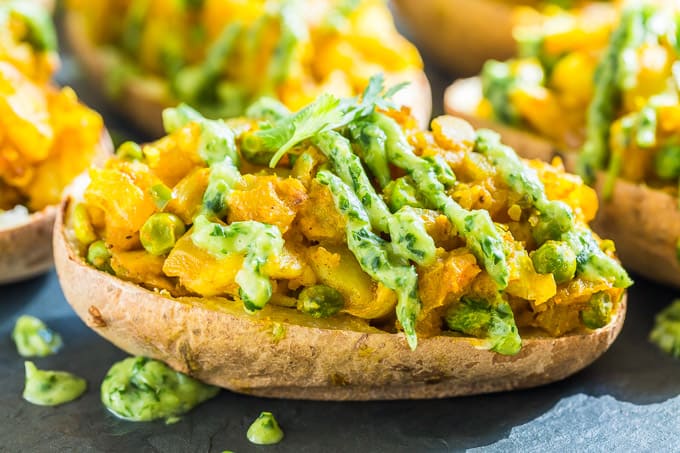
Mastering Samosa Twice Baked Potatoes with Flavorful Indian Spices
Prepare your palate for an extraordinary culinary journey as we delve into the world of
samosa style twice baked potatoes. This innovative dish masterfully marries the beloved comfort of the American twice-baked potato with the vibrant, aromatic spices of Indian cuisine, specifically inspired by the classic samosa filling. It's a fusion that promises a symphony of flavors, a delightful texture, and the added bonus of being naturally gluten-free, dairy-free, and vegan, making it accessible for nearly everyone to enjoy.
For many, the allure of Indian food is undeniable, yet the thought of preparing it at home can seem daunting, often associated with extensive spice lists and complex techniques. This recipe brilliantly sidesteps that perception, offering a straightforward approach to creating profoundly flavorful dishes that can become a regular feature in your meal rotation. Forget the fear of a mile-long ingredient list; we're focusing on simplicity without compromising on the authentic taste that makes this dish truly special.
The Culinary Marriage: Samosa Meets Twice Baked Potato
At its heart, the concept of
samosa style twice baked potatoes is a stroke of genius. It takes the cherished technique of hollowing out a baked potato, mashing its fluffy interior with delicious additions, and then returning it to its crispy skin for a second bake, and infuses it with the soul of an Indian samosa. A traditional samosa is an iconic Indian pastry, typically triangular, filled with a savory mixture of spiced potatoes and green peas, though other fillings exist. The magic of this dish lies in extracting that incredibly flavorful potato and pea filling and adapting it to the twice-baked potato format.
This fusion isn't just about combining two popular dishes; it's about creating a unique experience. You get the comforting familiarity of a potato dish, elevated by exotic, warming spices. It's an ideal choice for those looking to explore global flavors from the comfort of their kitchen, without needing a passport or an extensive knowledge of Indian cooking. The result is a side dish so satisfying, so rich in flavor, that it often steals the show and leaves a lasting impression.
Crafting the Core Flavor: Spices and Potatoes
The journey to mastering these flavorful potatoes begins with carefully selecting and preparing your ingredients. The key to any great twice-baked potato is a well-cooked base, and the secret to an outstanding samosa-inspired filling lies in the thoughtful layering of aromatic spices.
Selecting Your Spud
For the perfect foundation, choose large russet potatoes, or any other robust baking potato. Russets are particularly well-suited due to their starchy, fluffy interior which mashes beautifully and readily absorbs the rich Indian spices. Their skins also hold up well to the scooping and re-baking process. The initial baking is the most time-consuming part of the recipe, but it's essential for achieving that perfect, tender interior. A clever tip for busy evenings: bake your potatoes ahead of time and refrigerate them. You can then finish the recipe on the night you plan to serve them, significantly cutting down on prep time.
The Art of the Scoop
Once your potatoes are perfectly baked and cooled slightly, it's time for the scoop. Split each potato lengthwise and carefully scoop out the fluffy insides, being mindful to leave a sturdy border of potato flesh in the skin – about a quarter-inch thick – to maintain its structural integrity. This creates the perfect edible vessel for our flavorful filling.
Building the Aromatic Foundation
The soul of the samosa filling begins with a base of sautéed aromatics. Finely diced yellow onion is gently cooked until translucent, creating a sweet and savory foundation. To this, you'll add the pungent trio of minced fresh ginger, garlic, and a touch of green chile. While some recipes might call for specific, hard-to-find chiles, a readily available Anaheim pepper or even a serrano (if you prefer more heat) works wonderfully to impart a mild, fresh kick without overwhelming the other spices. This aromatic base is crucial for developing depth of flavor.
Unlocking Indian Flavors with Key Spices
Now for the star of the show: the spices. Contrary to popular belief, you don't need a pantry overflowing with exotic ingredients to achieve authentic Indian flavors. This recipe focuses on a carefully curated selection that delivers maximum impact with minimal fuss.
*
Turmeric: This golden spice is non-negotiable, not just for its earthy flavor, but also for the beautiful, vibrant yellow hue it imparts to the dish, reminiscent of traditional samosa filling. Beyond its culinary uses, turmeric is celebrated for its health benefits, often featuring in warming beverages like Golden Milk Lattes.
*
Garam Masala: A cornerstone of Indian cooking, garam masala is a fragrant blend of ground spices, typically including cinnamon, cardamom, cloves, cumin, and black pepper. It adds warmth, depth, and a complex aroma that is instantly recognizable as Indian.
*
Cumin & Coriander: These two ground spices are ubiquitous in Indian cuisine, providing an earthy, slightly citrusy, and warm base note that rounds out the flavor profile.
*
Allspice: While not traditionally Indian, a touch of allspice adds a unique warmth and subtle sweetness that complements the other spices beautifully.
Once these spices are added to the sautéed aromatics, they are briefly toasted to release their full fragrance and flavor. Then, the scooped potato flesh and fresh or frozen green peas are folded in, along with a splash of water or vegetable stock. This allows the potato to thoroughly soak up all those incredible, flavorful juices and spices, transforming it into a rich, savory filling.
This perfectly spiced potato and pea mixture is then scooped back into the waiting potato skins, mounding them generously. A final bake ensures they are piping hot and ready to serve, allowing the flavors to meld beautifully. For more insights into creating these delicious vegan and gluten-free potatoes, check out our guide on
Easy Samosa Style Twice Baked Potatoes: Vegan & Gluten-Free.
The Vibrant Cilantro Chutney: A Fresh Counterpoint
No plate of
samosa style twice baked potatoes would be complete without a bright, fresh counterpoint, and this recipe delivers with a simple yet incredibly effective cilantro chutney. Unlike traditional chutneys that might involve cooking or fermentation, this version is a quick, raw blend designed to add a burst of freshness and acidity that perfectly balances the rich, warm spices of the potato.
This "chutney of sorts" is effortlessly whipped up while the potatoes are having their second bake. It combines roughly chopped fresh cilantro (about half a bunch for vibrant flavor), the zesty tang of fresh lime juice, another touch of green chile for a fresh, spicy kick, a small ripe avocado for creamy texture, a bit of chopped onion, and a pinch of sea salt, all brought together with a couple of tablespoons of water. Simply combine these ingredients and blend or chop them until you reach your desired consistency – a rough chop is often preferred for a more rustic texture.
The cilantro chutney isn't just a garnish; it's an essential component that elevates the entire dish. Its bright, herbaceous notes and zesty acidity cut through the richness of the spiced potatoes, creating a refreshing contrast that makes each bite exciting. It’s the perfect finishing touch, adding a layer of complexity and freshness that truly completes the experience of these
Indian-Inspired Twice Baked Potatoes with Fresh Cilantro Chutney.
Mastering the Technique: Tips for Flawless Samosa Style Twice Baked Potatoes
Achieving perfection with your
samosa style twice baked potatoes is within reach with a few practical tips and considerations.
Time-Saving Prep
As mentioned, pre-baking your potatoes can be a game-changer for meal planning. Bake a batch on the weekend, store them in the fridge, and you'll cut down evening prep significantly. Simply warm them slightly before scooping to make the process easier.
Don't Break the Bank (or the Skin)
When scooping out the potato flesh, be gentle. You want to leave a robust potato wall (about 1/4 inch thick) to ensure the skin holds its shape during the second bake and when serving. A sturdy skin is key to a beautiful presentation.
Customizing the Heat
The level of green chile is entirely up to your preference. If you prefer a milder flavor, use a less potent chile like an Anaheim or reduce the amount. For those who love a fiery kick, a spicier green chile or a larger quantity can be used. Taste as you go!
Serving Suggestions
These potatoes are incredibly versatile. They make an exceptional side dish to a wide range of main courses, from grilled vegetables to plant-based curries. They can also serve as a satisfying light lunch or dinner when paired with a fresh green salad, or even as an impressive appetizer for gatherings.
Storage and Reheating
Leftovers store well in an airtight container in the refrigerator for 2-3 days. To reheat, you can pop them back into a preheated oven (around 350°F / 175°C) until warmed through and the skins are slightly crispy again. Microwaving is an option, but it may affect the crispness of the skin.
Conclusion
The
samosa style twice baked potatoes with flavorful Indian spices are more than just a recipe; they are an invitation to explore the delightful possibilities of fusion cuisine. Combining the comfort of a classic American dish with the rich, aromatic tapestry of Indian flavors, this dish proves that incredible taste doesn't have to come with intimidating complexity. With a sensible spice list, achievable techniques, and a refreshing cilantro chutney, you can bring an exciting, healthy, and incredibly satisfying meal to your table. So, don't hesitate – embrace the flavors, master the technique, and discover your new favorite way to enjoy potatoes!